

Autumn Inspiration: 12 Creative Prompts from Falling Leaves and Darker Evenings
Twelve seasonal prompts that turn falling leaves, dark evenings and autumn weather into starting points for writing, art and music.
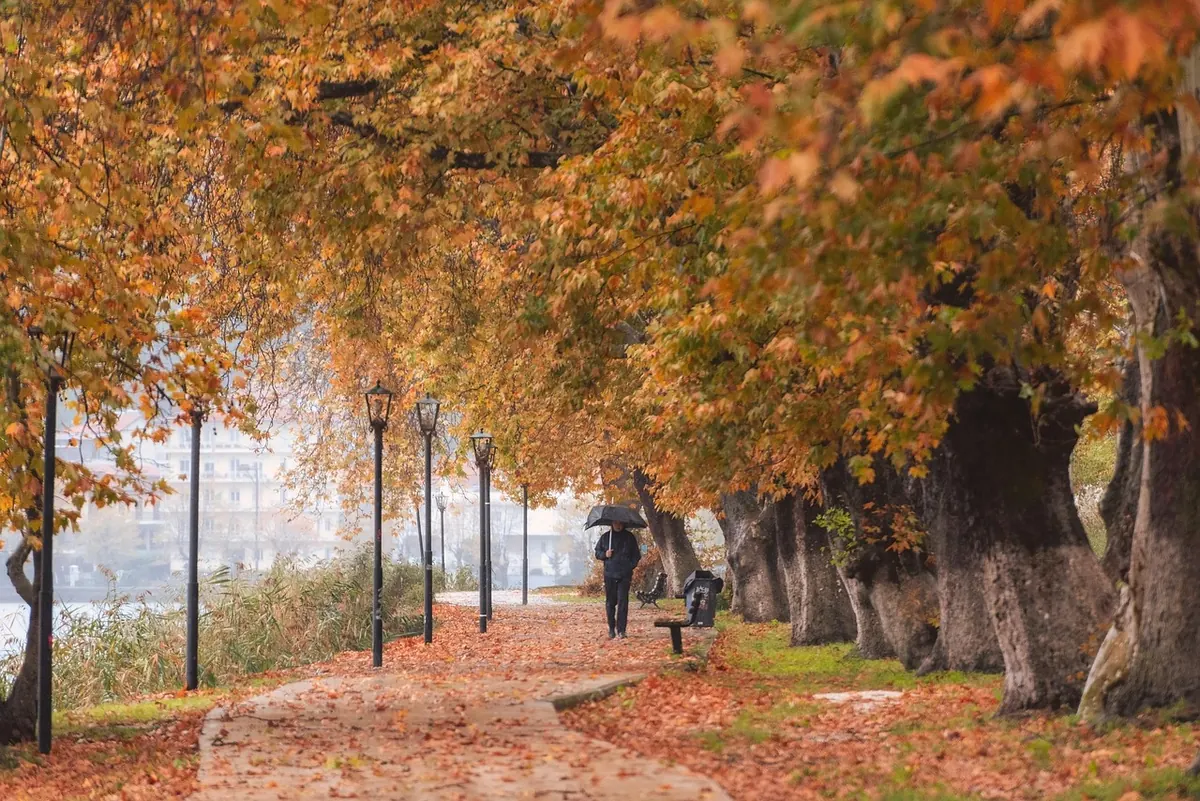
There is a week in autumn when the light changes its mind. Mornings come in low and grey, leaves shift from green to something nearer rust, and by half past five you are reaching for a lamp you had forgotten about since April. It is a generous season for anyone who makes things, because it keeps handing over material: texture, decay, sound, early darkness. Below are twelve prompts built from what autumn actually gives you. Use them for writing, drawing, painting, songwriting — anything sitting unfinished.
Start With What's Underfoot
A single fallen leaf is a decent studio. It has structure, colour, a short lifespan and a clear direction of travel. Constraints of that kind get work made faster than open-ended freedom does, so pick one up on the way home and try the first four prompts.
- One leaf, no colour words. Describe a leaf you have just picked up in 150 words without naming a single colour. You are left with edges, veins, curl, dampness, the small snap of the stem. Read it back and notice how much more specific it sounds than "yellow".
- Five leaves, one rule. Collect five leaves on one walk and arrange them by something other than species — how curled they are, how far the decay has gone, how wet they feel. Then turn that arrangement into a sequence: five short paragraphs, five panels, or a five-note phrase that gets darker as it goes.
- The four stages. Render the same leaf four times — on the branch, turning, freshly fallen, skeletal. Keep each version to four lines, four squares or four bars, and let something drop away each time: a colour, a detail, an instrument.
- Rake it into rhythm. Raking is percussion if you listen properly: the scrape, the rustle, the hollow tap against a bin. Record eight seconds of it on your phone, loop it, and build something over the top. If you write rather than play, notate it as a score with words instead of notes.
The Darker Half of the Day
When the clocks go back at the end of October, the evening arrives without warning and stays for hours. Most people treat that as a loss. Treat it as a change of studio lighting instead, and use it deliberately rather than working against it.
- The lamp moment. Sit in one room and wait for the exact minute you need to switch a light on. Write down only what you can see in the five minutes before that: the blue-grey wash on a wall, the shape of a chair, the last usable light on a page. No guessing at anything hidden.
- One lamp only. Work for half an hour with a single light source in an otherwise dark room. Note how it makes edges interesting and hides everything you do not need. Then apply the same rule elsewhere: one instrument in the arrangement, one strong shadow in the drawing, one light source in the scene.
- The shelter list. Write down ten things that make an evening feel sheltered — a particular mug, wool socks, the radiator clicking, a pan of something on the hob. Choose one item from the list and give it a whole piece: a page of prose, a small painting, the title of a song.
- The nine o'clock page. Same time every evening, one page or one sketch, no more. The darkness becomes the appointment rather than the excuse. If you miss a night, do not double up the next day; just start again at nine.
Sound, Smell and Weather
Autumn has a soundtrack that most of us stop hearing by mid-October. Spend a week collecting it and you will have more raw material than you can use. Start with a plain inventory:
- Rain on a plastic bin lid, and rain on a car roof — two different instruments
- A bicycle freewheel on a wet path
- Geese going over, high and faint
- The last lawn mower of the year
- Conker shells cracking underfoot
- A bus hissing to a stop
- Keys, a kettle, a leaf blower, a gate
- Three rains. Take the same rain at three intensities — drizzle, steady, downpour — and translate each into three sentences, three textures or three drum patterns. Keep the tempo changes small and believable; the piece will sound like weather rather than a storm effect.
- Borrowed weather. Choose one condition for the day: cold front, low fog, drizzle, a bright drying wind. Hold that texture through everything you make in the session. Weather is one of the quickest ways to give a piece a consistent tone without explaining anything.
- The smell with no place name. Wet pavement, woodsmoke, apples going soft in a bowl, the inside of a coat. Write a memory triggered by one of them and do not name the town, the house or the person. Let the details carry the location instead.
- One mood, three materials. Take an autumn mood — Halloween, Bonfire Night, the last warm afternoon — and commit it to three things only: a colour palette of four colours, a key or chord, and a tempo. Make the three decisions quickly and then work with them rather than renegotiating.
Constraints get work made faster than freedom does. Autumn is full of them, which is why it suits a project that has stalled.
Keeping It Going Until December
Twelve prompts, one a week, will carry you comfortably through to the shortest days. A few habits make the difference between a stack of finished things and a good intention.
- Keep one notebook and date every entry. Next autumn you will see which images and ideas keep returning, and those are usually the ones worth developing properly.
- Work small. An A6 page, a ten-minute sketch, an eight-bar idea. Small pieces get finished, and finished pieces teach you more than ambitious ones you abandon.
- Write the prompt on a card and leave it by the kettle, where you will actually see it.
- Show one thing to one person. It does not need to be finished, and their reaction does not need to be useful.
Tonight, in Twenty Minutes
Choose the first prompt on the list. Set a timer for ten minutes, describe your leaf without colour words, and stop when the timer goes. Read it back once and underline the single phrase that feels most like the thing itself. That phrase is your starting point tomorrow, and the leaves outside will keep supplying the rest.
Photo: johnNaturePhotos / Pixabay