

A Pre-Gig Checklist for Your First Open Mic Night
Gear, soundcheck, nerves and stagecraft — a practical pre-gig checklist to help new performers feel calm and prepared before their first open mic set.
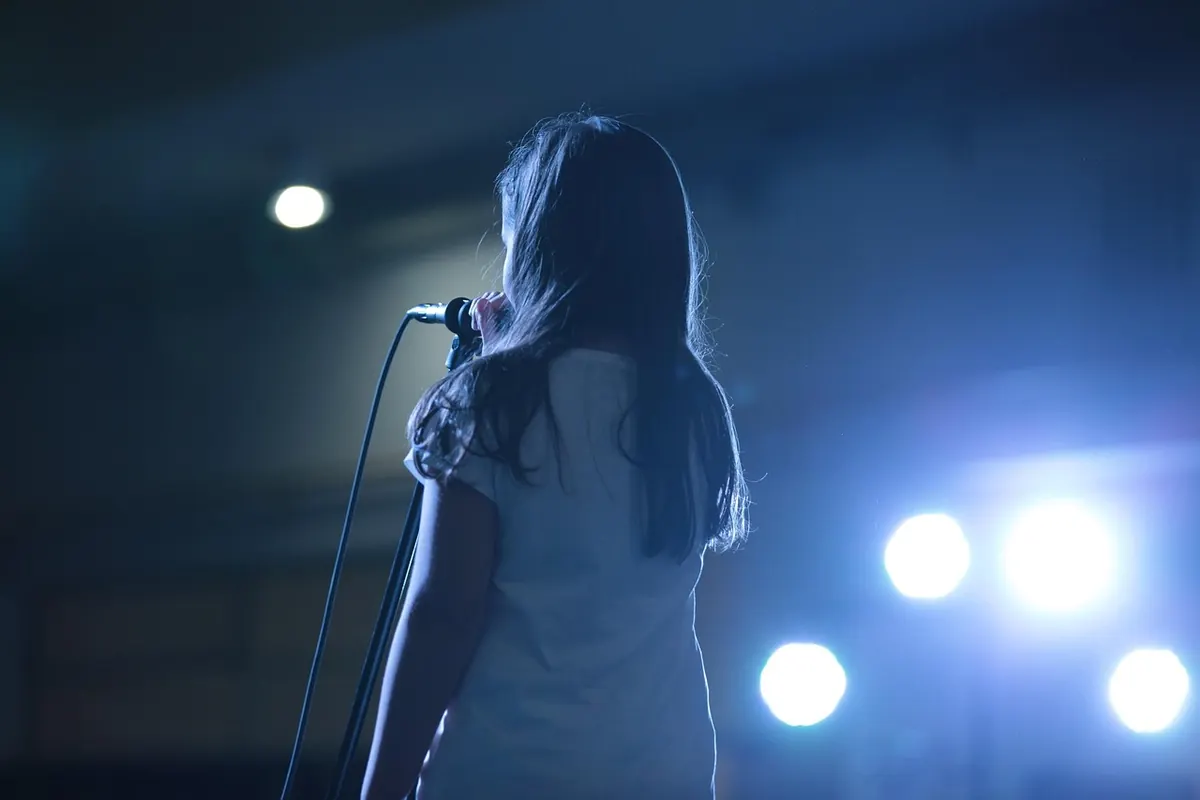
Your first open mic night is not an exam you can fail. It is a room full of people who have all stood where you are standing, holding an instrument and quietly hoping the sound desk behaves itself. Even so, a little preparation turns a nerve-shredding evening into a genuinely good one. What follows is the checklist worth running through the day before you play: what to bring, what to say at the soundcheck, how to handle the shakes, and the small bits of stagecraft that nobody remembers to mention.
Choose Your Songs, Then Cut One
Pick material you could play half-asleep. Your first open mic is not the night to debut the song you finished yesterday, however pleased you are with it. Choose two songs you know inside out, and rehearse them standing up, with a microphone in front of you, because playing seated in your bedroom is a different physical job.
Slots vary by venue and by host, so ask in advance how long you get — often it is two or three songs, sometimes a ten-minute window. Whatever the answer, prepare one song fewer than you think you need. Finishing early feels generous; being cut off mid-verse feels awful.
Rehearse the transitions too. Count yourself in out loud, practise the bit between songs where you say something or say nothing, and write your set list in large letters. If you play guitar, tape a copy to the side of the body so you can glance down without breaking the flow.
What to Pack
Most open mic disasters are small, boring equipment problems. A modest kit bag prevents nearly all of them.
- Your instrument, plus a spare set of strings and a tuner. Clip-on tuners are quicker than phone apps in a noisy room, but have both.
- Spare plectrums, kept in your pocket or on your person rather than loose in the bag.
- Two jack leads if you can. Leads fail at the worst moments, and checking yours at home — plug in, wiggle both ends, listen for crackle — takes a minute.
- Fresh batteries for anything active: acoustic preamps, pedals, wireless units.
- A capo if any song uses one, and a small cloth for wiping strings and neck.
- Water. Dry mouths ruin more first sets than wrong chords do.
- A notebook and pen for names of people you meet and songs you want to learn.
- A phone charger, or at least a phone charged above half before you leave the house.
Label anything you would be sad to lose. Open mics are chaotic, friendly places where cables migrate. If you play electric, ask beforehand whether the venue supplies an amp or whether you should bring your own, and check whether you need your own DI box or if one lives at the desk.
The Soundcheck, Decoded
Arrive early enough to find the host, shake their hand and tell them three things: your name as you would like it announced, how many songs you are playing, and what you need. "I sing and play acoustic, I need a vocal mic and a lead for the guitar" is a complete sentence, and hosts will love you for it.
During the line check, do not whisper "one, two" and then play a single soft chord. Play at the volume you will actually perform at, sing a real line from your first song, and listen. Then ask for what you need, briefly:
- "Could I have a little more guitar in the monitor?"
- "My voice is getting lost — can you bring the vocal up?"
- "It sounds boomy from where I'm standing."
Three or four clear requests is normal. Twelve is a soundcheck. Remember the mix will change once the room fills up with bodies, and that the person at the desk is usually a volunteer. Learn their name and use it when you thank them.
Handling the Nerves
Nerves are not evidence that you are unprepared. They are your body getting ready to do something that matters, and almost every performer you admire feels them. What helps is having a routine rather than a pep talk.
Eat something beforehand, keep caffeine modest, and be cautious with alcohol — a drink may calm the hands but it dulls pitch, timing and diction. Warm up your voice with humming or lip trills in the car or the venue's back room. For the shaking, slow your breathing with a longer exhale than inhale, and shake your hands out properly, wrists loose, the way a runner loosens their legs.
Nobody in the room is listening for the mistake you are braced for.
Plan for errors now. The standard recovery is to keep going — do not stop, do not apologise, do not restart unless the song has genuinely collapsed. If your mind goes blank, keep the chord pattern going, hum, or jump to the next verse. If nerves are becoming a persistent problem that affects your daily life, that is worth a conversation with your GP rather than a battle fought alone.
Stagecraft: What to Do With Your Hands
Walk on, plug in, breathe, and look at the room before you play. That pause feels enormous to you and lasts about two seconds to everyone else, and it settles the whole set.
Say your name and one short line about what you do, then get on with it. Chat between songs is fine, but a first-timer who talks for four minutes and plays for six has not done themselves a favour. Hold the microphone roughly a hand's width from your mouth, angled slightly to one side so plosives do not thump, and keep it there rather than drifting away as you get louder.
Look at a few friendly faces, or the back wall if eye contact feels too much. Stand still, or move with intent. Count your songs in slower than feels natural — nervous players rush, and the tempo you hear in your head is usually faster than the one in the room. Tune quickly and quietly between songs, or better, tune before you start and trust it. End the last song cleanly, hold the final chord for a beat, then say thank you.
The Hour Before You Play
Eat, drink water, warm up, check the bag, and arrive with time to spare. If you are running late, message the host — they will nearly always shuffle you down the list rather than cut you. Watch the other sets, especially the people before and after you; staying for the whole night is part of the deal and it is where the friendships, and the future gigs, actually come from.
Afterwards, write down two things: one moment that worked, and one thing you will change next time. Then, while the warmth is still there, ask the host about the next date and put it in your diary. The second open mic is easier than the first, and the tenth is easier again.
Photo: Nickbar / Pixabay